Gulf War Illness Now Officially Recognized
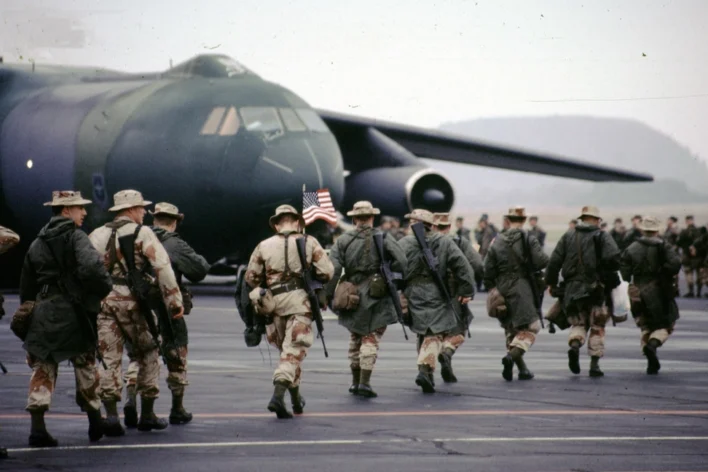
The Department of Defense has officially acknowledged that veterans of the 1991 Gulf War were likely exposed to chemical nerve agents.
This announcement was made following decades of veterans and activists asking the federal government for transparency regarding toxic exposures related to military service; it also comes after what some describe as decades of denials and avoidance by the federal government to accept its role in the toxic exposures troops were subjected to in Vietnam, Iraq, Afghanistan, and many other areas.
DoD Officially Recognizes Gulf War Illness
In a letter dated early 2026, the Department of Defense told the advocacy group Vietnam Veterans of America that officials had revised the federal government’s long-standing guidance on the toxic exposures issue.
This change aims to classify exposure levels for approximately 100,000 service members who may have been exposed to toxins during the conflict.
While the toxic exposures of the Vietnam era have been acknowledged (Agent Orange being one of the major exposures from that era), Gulf War Syndrome (GWS) and related medical issues have demanded equal attention with varying degrees of success. Some efforts to address GWS over the years have been made, but some feel the 2026 announcement is the first major progress for disabled veterans suffering from these issues in some time.
Understanding Gulf War Illness
Gulf War Illness (GWI), often called Gulf War Syndrome, may be present in approximately one out of every three veterans who served in the 1990 to 1991 Gulf War operations. GWI Symptoms include chronic fatigue, cognitive issues, skin rashes, and respiratory problems. The Department of Defense says acknowledging the likelihood of chemical exposure will help clinical researchers connect these biological findings to specific environmental triggers.
For years, government documents suggested that troops serving in places like Iraq or Afghanistan “may have been” exposed to low levels of nerve gas. The Department of Defense now confirms that some vets were likely exposed to sarin and cyclosarin.
How did this happen?
The Khamisiyah Incident
The new policy addresses a 1991 incident at the Khamisiyah ammunition storage facility in Iraq. During the final days of the war, U.S. forces or their contractors destroyed bunkers containing massive quantities of chemical weapons.
The demolition likely released sarin and cyclosarin, with some 100,000 soldiers working in the path of these toxins. Would these substances have been released if the demolition project had not occurred?
Veterans who participated received letters in 2005 warning them that they might have been exposed; updated guidance removes the ambiguity of those notifications. What is not clear is whether military policy has been updated to prevent such an incident from happening again.
Related: PACT Act Benefits for Women Veterans
High-Level Meetings
The shift in policy followed a high-level meeting on Dec. 18, 202 when representatives from the Vietnam Veterans of America met with Department of Defense officials to discuss the declassification of war records.
The advocacy group argued that withholding information hindered the Department of Veterans Affairs’ ability to process claims. The letter, issued late last week, confirmed that the military acknowledges its previous communication errors. The Department of Defense is now working with strategic communications teams to post this information online for public access.
Declassification and Document Retrieval
The Department of Defense promised to restore and locate classified documents from the 1990 to 1991 conflict to help better understand this issue of toxic exposure from the Iraq War. Officials began searching for additional documents related to the Khamisiyah incident to determine which files can be declassified and released to the proper agencies.
Future Implications
The acknowledgment of chemical exposure in the Gulf War sets a precedent for how the military handles toxic exposures in future scenarios. This is the level of transparency necessary to build trust among the military, veterans, and the federal government. It also ensures that the scientific community has the data necessary to develop effective countermeasures and treatments.
>> Never miss benefits news and updates that are important to you. Sign up today to receive the MyMilitaryBenefits newsletter free to your inbox!
About the author
Editor-in-Chief Joe Wallace is a 13-year veteran of the United States Air Force and a former reporter/editor for Air Force Television News and the Pentagon Channel. His freelance work includes contract work for Motorola, VALoans.com, and Credit Karma. He is co-founder of Dim Art House in Springfield, Illinois, and spends his non-writing time as an abstract painter, independent publisher, and occasional filmmaker.