Veteran Benefits Postcard Scam Warning

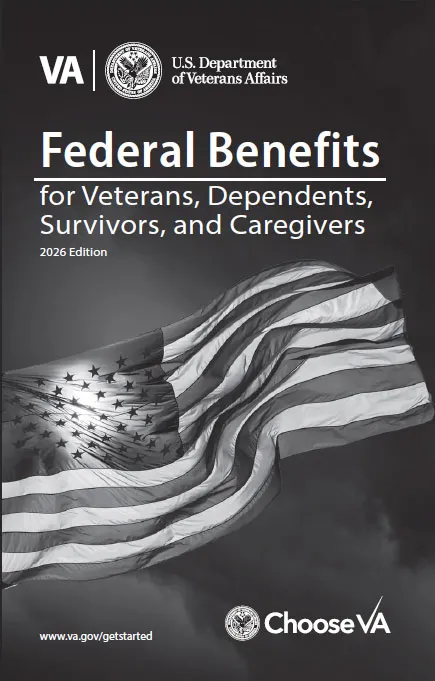
The Department of Veterans Affairs warns of a trend in veteran-targeted fraud. A postcard campaign by scammers targets veterans and their spouses by falsely promising additional federal benefits in 2026, and there are ongoing reports of these scams across the USA.
The trend has federal officials worried that some may be fooled into thinking these postcards are legitimate communications from the Department of Veterans Affairs or other parts of the government.
Veteran Benefits Postcard Scam Warning
The mailers associated with the scam claim that recipients are eligible for a non-existent veteran benefit called the “Veterans Savings Program.” The mailers claim military families qualify for extra payments and health care coverage, regardless of their official disability ratings.
The Department of Defense and federal authorities say these postcards mention programs such as CHAMPVA, TRICARE, and dental coverage to create a false sense of legitimacy, but in reality, the operators behind the mailings have no affiliation with federal agencies or the military.
As with many scams, this operation uses high-pressure tactics, claiming that recipients must call a specific toll-free number within five days to claim their additional funds.
Don’t Call
Once a veteran calls the provided telephone line, the scammers try to get the victim to reveal Social Security numbers, bank account numbers, and routing details.
Legitimate government agencies do not send random postcards to announce sudden increases in military veteran benefits. Federal agencies never require a person to confirm sensitive credentials over the phone to receive pre-approved funds.
How Scams Work
- Unsolicited postal mail, texts, and social media communications the recipient did not initiate can lure victims in by promising money or added benefits.
- Phone operators may impersonate government agencies, creating a false aura of official authority while claiming an urgent problem exists with a benefit account.
- Traditional phishing campaigns combine with physical mail, steering targets to web links designed to harvest private information.
- The scammers may demand payments through non-standard channels, including gift cards, cryptocurrency, or wire transfers, which are impossible to track.
Protect Yourself and Family
Military families can protect themselves by using basic security protocols. Never provide a PIN or bank account info to someone who has called you. If an unsolicited postcard demands quick action under a deadline, it’s most likely a scam.
Do not call the phone numbers printed on unsolicited communication. Also, do not visit the websites sent to you through any unsolicited contact. Official communications regarding benefits will always arrive through verified channels and can be confirmed on official portals like VA.gov or TRICARE.mil.
When uncertainty arises regarding a communication, you should contact VA representatives directly. The centralized telephone line for VA benefit verification is 1-800-827-1000.
If a veteran notices that a regular monthly benefit payment is missing, or if suspicious changes occur in a direct deposit account, notify federal authorities immediately.
About the author
Editor-in-Chief Joe Wallace is a 13-year veteran of the United States Air Force and a former reporter/editor for Air Force Television News and the Pentagon Channel. His freelance work includes contract work for Motorola, VALoans.com, and Credit Karma. He is co-founder of Dim Art House in Springfield, Illinois, and spends his non-writing time as an abstract painter, independent publisher, and occasional filmmaker.