Visa vs. Passport: What You Need to Know Before You PCS
At first, it’s easy to confuse a passport with a visa, but knowing the difference matters when planning official and leisure travel. What do military families need to know about these two documents before they need them?
Passport vs. Visa: Basic Differences
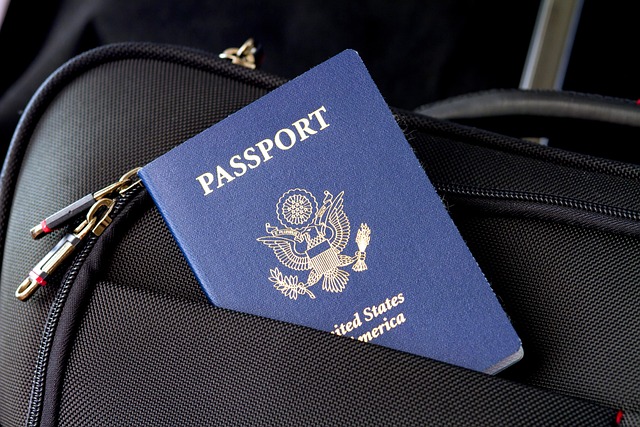
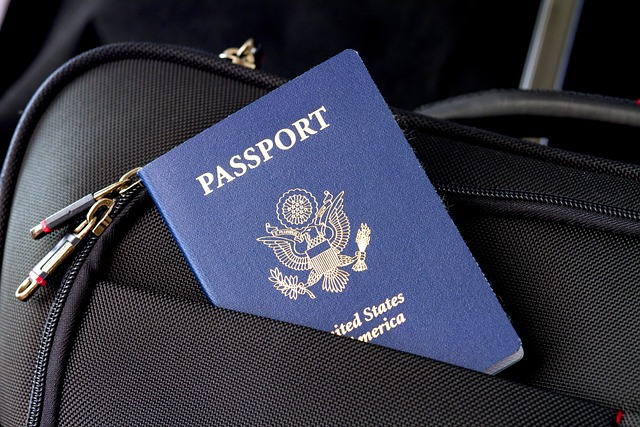
The federal government issues a U.S. passport to prove U.S. citizenship while abroad and when reentering the country. A visa is permission a foreign government grants to cross its borders. Because active-duty troops deploy under military orders and Status of Forces Agreements, it’s easy to assume either one can be used to travel overseas.
But this isn’t always true, depending on the host nation’s laws.
A passport establishes nationality and enables departure from the United States, but it does not guarantee admission to a foreign country, permit local employment, or confer residency rights.
By its nature, a visa restricts the user’s activities in the country. Do you have a tourist visa? You can’t work abroad with one. Do you have a business visa allowing you to seek or maintain employment in the host nation?
>> Never miss benefits news and updates that are important to you. Sign up today to receive the MyMilitaryBenefits newsletter free to your inbox.
The Costs and Process
Official, no-fee passports, issued by the State Department Special Issuance Agency, feature special endorsements showing the bearer travels on Department of Defense business. Standard tourist passports, paid for out of pocket by families, are good for vacations.
For standard civilian passports, applicants submit State Department Form DS-11 or DS-82 at civilian post offices or county courthouses and pay regular processing fees. Service members first receive travel orders. Those orders authorize the application process, along with birth records, state IDs, and photos, to an installation passport agent.
Once the Special Issuance Agency approves the passport and the destination nation requires a visa, the office forwards the application through embassy channels in Washington.
To get tourist visas, military families must apply through the embassies in the countries where they want to travel.
Using the Right Documents
Entering a host nation on a standard tourist passport limits you to a 90-day visit. When that window closes, those still in-country risk fines, deportation, and losing command sponsorship.
You cannot use a U.S. no-fee government passport for leisure trips to nearby nations, as these are for official travel only. Crossing foreign borders on vacation with an official passport misrepresents leisure travel as state business.
Getting official travel documents isn’t as easy as it looks, depending on circumstances. For example, according to the U.S. Department of Commerce, “Effective October 1, 1997, any individual certified by the Secretary of Health and Human Services (HHS) to the Secretary of State as being in arrears on child support payments in excess of $2,500 will be ineligible to receive a U.S. official passport.”
The applicant is responsible for resolving these issues. Know all such caveats before you apply.
Temporary duty requirements may not apply to those PCSing to an overseas base. “Travelers who are approved for temporary duty (TDY) assignments to a foreign country requiring a Passport/Visa must apply for the passport and/or visa at least 30 days before the intended departure or travel date.”
Furthermore, “Travelers who are approved for a temporary change of station (TCS) assignment to a foreign country requiring a Passport/Visa must apply for the passport and/or visa at least 60 days before the intended departure or travel date.”
Exceptions to Official Passport Requirements
The following provides exceptions to the required use of an official or diplomatic passport while on official travel. Are you a military contractor, civilian employee, or otherwise employed by the U.S. government overseas? You may have different requirements in such cases.
“Contractors or volunteers are NOT authorized official (no-fee) passports. They must obtain a tourist (regular-fee) passport and pay the required fees. They must also obtain any required visa directly through that foreign country’s embassy. Additionally, the individual is required to submit a country clearance form…”
Check the laws of the host country you’re PCSing or traveling to before you commit.
Lost or Stolen Passports
If your official or tourist documents were lost or stolen, complete a new application and a Statement Regarding Lost or Stolen Passport, detailing what happened to the previous passport.
According to the federal government, “Brief notations such as “lost,” “stolen,” or “burned” are not sufficient. The employee must answer each question in as much detail as possible” when replacing a lost or stolen visa/passport.
>> Never miss benefits news and updates that are important to you. Sign up today to receive the MyMilitaryBenefits newsletter free to your inbox.
About the author
Editor-in-Chief Joe Wallace is a 13-year veteran of the United States Air Force and a former reporter/editor for Air Force Television News and the Pentagon Channel. His freelance work includes contract work for Motorola, VALoans.com, and Credit Karma. He is co-founder of Dim Art House in Springfield, Illinois, and spends his non-writing time as an abstract painter, independent publisher, and occasional filmmaker.