DoD Updates Shaving Waiver Policy for Servicemembers
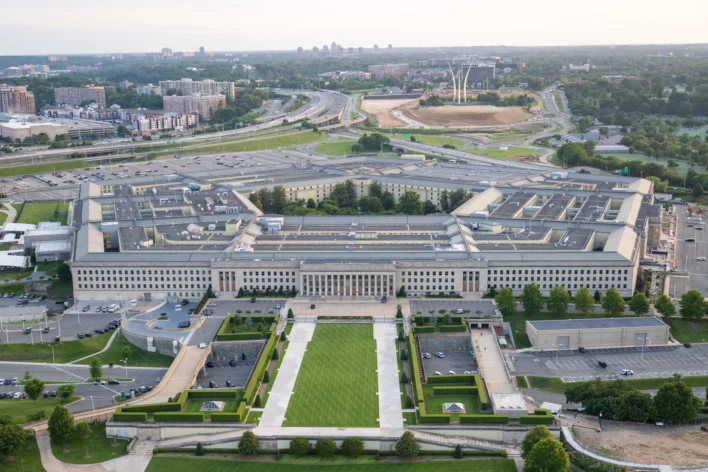
The Department of Defense has directed an update of its grooming policies for military members. This update moves away from older, more lenient grooming standards where facial hair is concerned. The DoD has formally ended a long-standing policy to allow servicemembers to obtain long-standing or permanent medical waivers for issues related to shaving and complications from it.
DoD Updates Shaving Waiver Policy for Servicemembers
The changes are driven by what Pentagon officials claim is a focus on military readiness. Updated DoD policy in this area also creates a firm dividing line between the legal process for appearance standard exemptions for religious needs and medical shaving waivers.
Task & Purpose reports on this issue, “Troops who currently need shaving waivers for more than a year could face separation under changes announced in a memo from Defense Secretary Pete Hegseth, who is calling for a ‘clean shaven‘ military.”
While it’s unclear how military shaving policies directly affect overall military readiness in terms of lethality, force protection, and national security, the Pentagon is determined to make changes. Task and Purpose reposted portions of a SecDef memo that includes the following directive aimed at those with a need for permanent shaving waivers:
“Unit commanders will initiate separation of service members who require a shaving waiver after more than 1 year of medical treatment,” Hegseth ordered in an Aug. 20 memo…. “I have full confidence in our leaders at all levels to provide an accurate assessment of whether retention is appropriate.”
>> Never miss a benefits update. Subscribe to the MyMilitaryBenefits Newsletter today.
Controversy on Medical Waivers
Some DoD officials seem to think permanent shaving waivers could harm readiness. But not all agree. Air Force Times went on the record here, noting:
“Our renewed call to review these policies is no longer rooted in anecdote alone — an article published in the Journal of Military Medicine in July demonstrated a significant association between shaving waivers and delays in promotion.”
“While this affected members of all races, it disproportionately affected Black/African American members because they were on waivers more often than any other racial group. The study that this association is based on draws on survey data from over 10,000 male active-duty USAF members from installations around the world and represents the best data available on the subject that we know of to date.“
It should be noted that the Air Force Times article was published in 2021. That’s long before the current policy updates were published. The Air Force Times article was not printed in response to current events or in response to the policy changes.
The need for sound military medical policy regarding shaving waivers is clear. Unfortunately, the decision against permanent shaving waivers for affected military members suffering from a condition known as pseudofolliculitis barbae (shaving bumps) was not made by doctors or scientists, but bureaucrats.
According to the Air Force Times article from 2021, this isn’t sufficient.
“The concerns previously raised by military dermatologists have been based on countless experiences in the clinic, with airmen telling us about their perceptions of how being on a shaving waiver has affected their time in the USAF. Members are sometimes ostracized from their units, looked down upon by leadership, questioned regarding their integrity, passed up for opportunities, or barred from special duties.“
The same article notes that some service members with “a clear medical need” for a shaving waiver “refuse to take one because they are worried about how it may impact their career. These members endure painful facial outbreaks and scarring — or may even choose to undergo laser hair removal even though they do not actually want to permanently alter their facial hair.“
Religious Accommodation
One reason some service members apply for shaving waivers is related to their personal beliefs. They don’t make the waiver request through their medical unit, instead they apply with the help of a base Chaplain or the equivalent.
DoD dress and appearance regulations changes distinguish religious accommodation from medical waivers. An Army directive states that permanent exemptions from the clean-shaven policy are for approved religious accommodations. This creates a clearer policy division in the minds of some. Medical issues are temporary and need treatment. Sincerely held religious beliefs can be accommodated long-term.
The process for this accommodation involves the service member submitting a formal request, which is evaluated on a case-by-case basis.
The request requires an interview with a chaplain to confirm the servicemember’s sincerity. The command then weighs the request against the military’s compelling interest in readiness and safety. By defining permanent waivers as a matter of religious liberty, the DoD has clarified the legal and administrative lines. This ensures an accommodation of faith is not confused with a medical condition.
However, it’s not clear why an issue of faith gets DoD priority in terms of consideration over a medical need.
That is part of the larger group of questions the Pentagon must address about medical shaving waivers. Some claim the DoD has indeed clarified the issue by making a clearer distinction between medical and religious shaving waivers. But the religious policy does not appear to have changed at press time, though further clarification may be forthcoming. Why is it possible to get a religious exemption, but not a long-term medical one?
This is a developing story.
Frequently Asked Questions
What is the most significant recent change to the DoD’s grooming policy?
The Department of Defense has directed all services to end the practice of issuing permanent medical waivers for shaving. Medical waivers are now temporary and have a maximum length of one year. This policy requires that each waiver be part of a formal medical treatment plan with the goal of returning the service member to standards.
How does the DoD require services to implement this new waiver policy?
The DoD mandates that the services integrate these temporary waivers with active medical care. The Pentagon requires commander involvement and oversight in the waiver process. Each military branch must create its own regulations to enforce these DoD requirements and manage service members undergoing treatment.
What is the DoD-wide policy for religious accommodations?
A single, unified policy, DoD Instruction 1300.17, governs all religious accommodations. This instruction is binding on every service. It requires commanders to accommodate sincerely held religious beliefs unless doing so would harm a compelling government interest, such as military readiness or safety. This process is a legal requirement, not a medical one.
What is the key difference in the DoD’s approach to medical and religious waivers?
The DoD treats the two waiver types differently. It views medical waivers as a temporary health matter, directing the services to focus on treatment but not long-term exemptions for the medical issue. It treats religious waivers as a matter of legal right, enforcing a single, strict standard across all branches that permits long-term or permanent accommodation.
>> Never miss a benefits update. Subscribe to the MyMilitaryBenefits Newsletter today.
About the author
Editor-in-Chief Joe Wallace is a 13-year veteran of the United States Air Force and a former reporter/editor for Air Force Television News and the Pentagon Channel. His freelance work includes contract work for Motorola, VALoans.com, and Credit Karma. He is co-founder of Dim Art House in Springfield, Illinois, and spends his non-writing time as an abstract painter, independent publisher, and occasional filmmaker.