ACES Act Funds Military Pilot Cancer Study
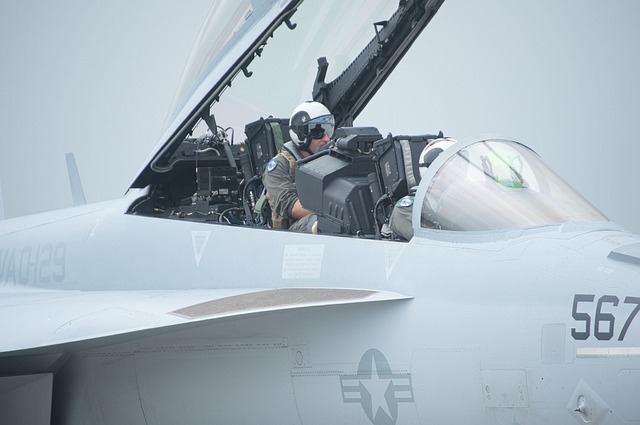
Do military pilots have a higher risk of cancer? That’s the question an independent federal study will try to answer thanks to the passage of the ACES Act in August 2025.
Military Pilot Cancer Study Funded by ACES Act
ACES is an acronym that stands for the Aviator Cancer Examination Study Act, which gives a variety of federal agencies their marching orders for the study, including the VA and the National Academies of Sciences, Engineering, and Medicine.
The study will examine how often active duty military pilots and aircrews are diagnosed with cancer, and fatality rates associated with the diagnosis. This work comes as the federal government announced a finding that aircrews may be significantly more likely to be diagnosed with cancer than other Americans.
>> Never miss a benefits update. Subscribe to the MyMilitaryBenefits Newsletter today.
ACES passed in part in honor of fighter pilot Andy Shurtleff, who died from cancer at age 48. Some view it as a necessary supplement to the PACT Act, which expanded VA care for veterans who suffered toxic exposures in the line of duty at qualifying sites or during qualifying missions.
Air and Space Forces Magazine notes, “The ACES Act may lay the groundwork to broaden those same benefits to veterans diagnosed with cancer following a career in military aviation” adding that by understanding any correlation between military aviation and cancer, the federal government can “better assist our military and provide more adequate care for our veterans” according to an Air Force press release.
ACES Act Questions and Answers
Q: What is the new ACES Act?
A: The Aviator Cancer Examination Study (ACES) Act is a law signed in August 2025 that mandates an independent federal study. Its purpose is to officially determine if military pilots and aircrews face a higher risk of developing cancer compared to the general public.
Q: Why was this law considered necessary?
A: The legislation was prompted by a recent Pentagon analysis that revealed military aircrews are 24% more likely to be diagnosed with cancer. This, combined with earlier studies showing similar elevated risks for Air Force pilots, created an urgent need for a comprehensive investigation.
Q: Who is in charge of the study?
A: The National Academies of Sciences, Engineering, and Medicine will conduct the research, working in partnership with the Department of Veterans Affairs (VA). They will analyze the rates of cancer diagnoses and deaths among both active and retired military aviators.
Q: Why don’t existing laws like the PACT Act cover these aviators?
A: The 2022 PACT Act was designed to help veterans exposed to toxins like Agent Orange and burn pits. The ACES Act addresses the possibility that routine flight duties contribute to cancer. Many aviators have the potential to fall into a coverage gap, especially if their illness is discovered after they leave the service.
Q: What is the ultimate goal of this study?
A: The long-term hope is that the study will provide clear scientific evidence regarding a connection between aviation service and cancer. This data could then be used to expand VA healthcare and benefits, ensuring that veterans affected by these illnesses receive the care and support they have earned.
Q: Who were the key supporters of the ACES Act?
A: The law had strong bipartisan support. It was championed in Congress by Representatives August Pfluger and Jimmy Panetta and Senators Mark Kelly and Tom Cotton. Veteran advocates like retired Colonel Vince Alcazar have called it the “most significant” piece of health legislation ever passed for military aviators.
>> Never miss a benefits update. Subscribe to the MyMilitaryBenefits Newsletter today.
About the author
Editor-in-Chief Joe Wallace is a 13-year veteran of the United States Air Force and a former reporter/editor for Air Force Television News and the Pentagon Channel. His freelance work includes contract work for Motorola, VALoans.com, and Credit Karma. He is co-founder of Dim Art House in Springfield, Illinois, and spends his non-writing time as an abstract painter, independent publisher, and occasional filmmaker.