Full Cost of War Act Addresses Future Conflict Funding
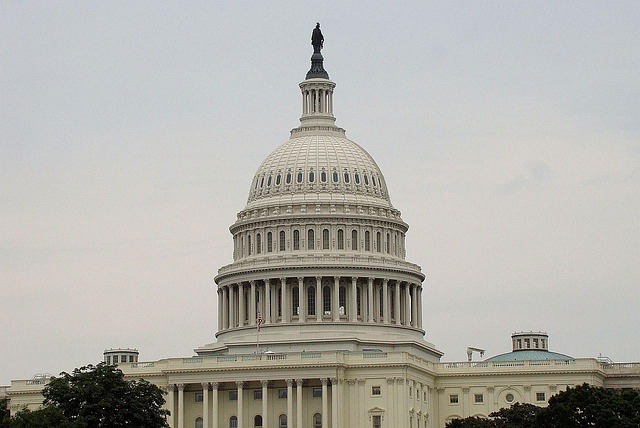
The Full Cost of War Act proposes a major revision in how the federal government plans for the long-term needs of servicemembers when it’s deciding whether to commit to military action.
The act, if passed into law, would create a legal requirement that any new authorization for military force must also include a dedicated authorization for Department of Veterans Affairs funding directly related to the operation.
Full Cost of War Act Addresses Future Conflict Funding
What does this mean? If the act passes, the government would be required to review the financial responsibility for medical care and disability benefits related to any new conflict, potentially adding more transparency and planning to the process.
How does it work?
- If passed, the act would require any authorization for use of military force, sometimes called AUMF for short, to also include authorization of funds for the Department of Veterans Affairs for medical care, payment of disability claims, and other benefits offered to vets of that operation.
- The new law would not automatically create funding.
- The new law would not specify a dollar amount for each instance where an AUMF is used.
Why the Act is Needed
The Congressional Budget Office notes that veterans’ benefits and medical care are a big part of the total cost of war over time.
All the way back in 2007, the CBO noted, “From September 2001 through the end of fiscal year 2007, Congress appropriated $602 billion for military operations in Iraq and Afghanistan and other activities associated with the war on terrorism. In addition, although not explicitly appropriated for that purpose, an estimated $2 billion has been spent by VA for war-related benefits.”
It’s the part where VA money was not “explicitly appropriated” for those operations that the new law would change.
Is this act an attempt to anticipate future budget woes for the Department of Veterans Affairs?
- The agency put forward a record budget request for the 2026 fiscal year totaling over $441 billion.
- That is a hefty price tag with or without the presence of a future conflict to further complicate matters at the Department of Veterans Affairs.
- This year’s VA budget ask includes more resources for the Toxic Exposures Fund, which provides healthcare for those affected by environmental hazards during military service.
- The new act seeks to make these types of long-term health costs a primary part of the “should we or shouldn’t we” military action debate before troops are even deployed.
The bill is led by Representatives Chris Deluzio and Ted Lieu, both of whom served in the military. They argue that the true cost of any military operation includes the lifelong support of those who carry out the mission.
Linking war powers to veterans’ appropriations, the act would require lawmakers to account for the medical and transition services that will eventually be needed by the veterans of any new conflict.
NDAA vs. Full Cost of War Act
The 2026 National Defense Authorization Act provides for daily operating budget needs, such as a 3.8 percent pay increase and updated housing allowances. Annual defense spending bills address current readiness, but the Full Cost of War Act is aimed at the decades of benefits and care that follow any deployment. The cost of veterans’ benefits often rivals the cost of combat over time.
The legislation is, at press time, under review by the House Committee on Foreign Affairs. While it does not, as written, change the basic rules for when the military is sent into action, it does bring more transparency into that decision.
About the author
Editor-in-Chief Joe Wallace is a 13-year veteran of the United States Air Force and a former reporter/editor for Air Force Television News and the Pentagon Channel. His freelance work includes contract work for Motorola, VALoans.com, and Credit Karma. He is co-founder of Dim Art House in Springfield, Illinois, and spends his non-writing time as an abstract painter, independent publisher, and occasional filmmaker.