House Appropriations Committee Passes 2027 Defense Funding Bill
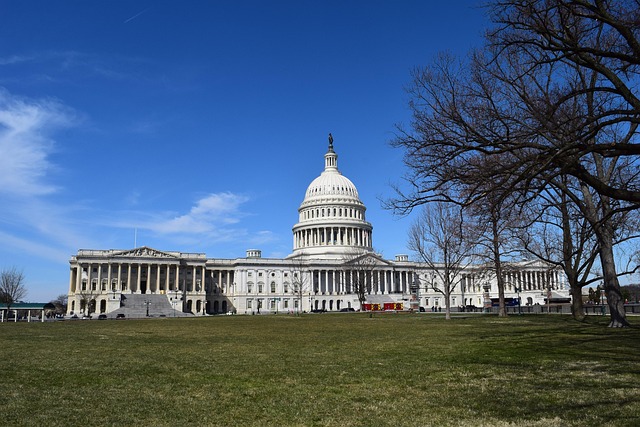
The House Appropriations Committee approved the Fiscal Year 2027 Defense Appropriations Act on June 24, 2026, passing along party lines in a 34-27 vote. It goes to the House floor for review as part of the process; this is not the final vote on the Defense bill. This legislation contains a proposed 7% pay increase for junior enlisted troops.
House Appropriations Committee Passes 2027 Defense Funding Bill
The defense package allocates $1.072 trillion in total spending, with proponents arguing that this trillion-dollar price tag is necessary to address aging Navy and Air Force aircraft and ships.
The legislation grants a 7% pay increase for troops ranked E-5 and below. This targeted raise is meant to support junior enlisted service members, with E-6 through O-4 receiving a 6% adjustment. Officers O-4 and above would receive a 5% increase.
The committee adopted an amendment during the markup session to formally rename the Department of Defense to the Department of War. Supporters of the name change argue it realigns the Pentagon with a so-called warrior ethos.
Procurement and modernization strategies shifted within the bill text. The committee prioritized ammunition capacity by allocating $11.4 billion for munitions production.
>> Never miss benefits news and updates that are important to you. Sign up today to receive the MyMilitaryBenefits newsletter free to your inbox.
Other Aspects of the Defense Bill
The bill provides an extra $493 million to build more Black Hawk utility helicopters. It adds $456 million for Chinook heavy-lift helicopters. To pay for these additions, lawmakers zeroed out the entire budget line for the Future Vertical Lift initiative. This move stops development on several experimental helicopter concepts.
The committee increased research money for the Navy F/A-XX carrier-based fighter program, raising the allocation to $915 million. The committee offset these investments by cutting the P-8 Poseidon maritime patrol aircraft program. Lawmakers cut $1.4 billion from the P-8 budget, signaling a shift away from legacy maritime surveillance platforms toward newer unmanned systems.
Defense Bill Distractions
The spending package isn’t free of partisan distractions unrelated to defense. The appropriations bill, as currently written, maintains restrictions on federal funding for diversity, equity, and inclusion initiatives. The bill also contains a section preventing the Department of Defense from using funds to cover travel expenses for service members seeking abortions out of state.
Stripes.com reports, “The panel rejected several amendments offered by Democrats, including attempts to limit troop withdrawals from Europe, rein in the Iran war, cut funding for the Trump-class battleship, and force Defense Secretary Pete Hegseth to justify the blocking of senior officer promotions.”
Those who voted against the defense spending bill overall object to domestic funding reductions, complaining that defense increases require roughly $13 billion in cuts to non-defense programs.
What’s Next
The appropriations bill, as explained above, moves to the full House of Representatives for consideration. The Senate must draft a competing version, which is expected to be stripped of culture-war issues, Department of Defense naming changes, and policy restrictions. The final defense budget requires negotiations between both chambers before reaching the president for signature or veto.
>> Never miss benefits news and updates that are important to you. Sign up today to receive the MyMilitaryBenefits newsletter free to your inbox.
About the author
Editor-in-Chief Joe Wallace is a 13-year veteran of the United States Air Force and a former reporter/editor for Air Force Television News and the Pentagon Channel. His freelance work includes contract work for Motorola, VALoans.com, and Credit Karma. He is co-founder of Dim Art House in Springfield, Illinois, and spends his non-writing time as an abstract painter, independent publisher, and occasional filmmaker.