House Armed Services Committee Release 2027 NDAA Draft
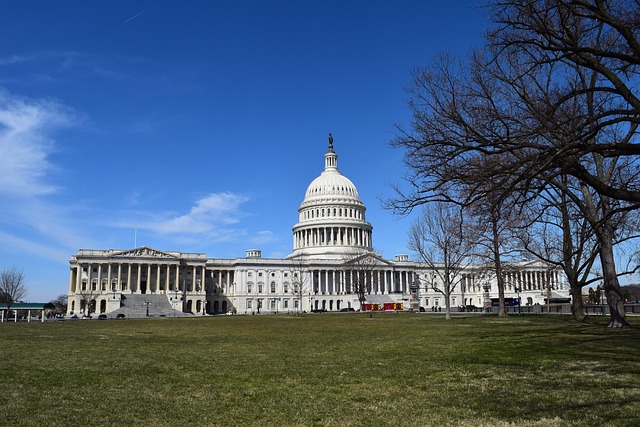
The House Armed Services Committee has announced its initial draft of the 2027 National Defense Authorization Act (NDAA), the annual defense spending bill.
House Armed Services Committee Release 2027 NDAA Draft
The 2027 NDAA draft proposes more than $1 trillion in funding, including military pay raises and money for infrastructure, healthcare, and weapons systems.
The proposed 2027 pay raises for those in uniform include a 7% increase for junior troops. The draft does not use a single percentage raise across all pay grades. Junior enlisted troops would get higher pay increases than more senior troops if this draft of the 2027 NDAA passes the House.
How the Proposed 2027 NDAA Pay Raise Works
- Junior Enlisted Ranks E-5 and below would receive a 7% increase in basic pay.
- Mid-Career Professionals Personnel ranked E-6 through O-3 would receive a 6% increase in basic pay. This bracket consists of senior noncommissioned officers, warrant officers, and company-grade officers.
- Senior Leadership O-4 and above would see a proposed 5% increase in basic pay. Field-grade officers, senior warrant officers, and flag or general officers receive the lowest percentage adjustment.
This approach to military pay raises is not new. Congress previously passed a targeted 14.5% pay increase for junior enlisted service members in pay grades E-1 through E-4, bringing entry-level military pay closer to civilian employment markets.
What Else Is in the Proposed 2027 NDAA
In addition to the pay increases, the draft proposal for the 2027 National Defense Authorization Act focuses on expanding domestic production capacity, weapons systems, and securing the defense supply chain. It proposes an office within the Office of Industrial Base Policy to review and mitigate foreign adversary infiltration into defense firms.
The numbers below are not finalized; specific information on programs, such as funding for military quality of life, education benefits, and child care, comes at later stages in the process. The final dollar amounts for each NDAA line item are determined by the defense appropriations bills managed by the House and Senate Appropriations Committees; the military benefits numbers reported here are not final in this stage of the process.
- The Navy’s new battleship program requests approximately $1 billion in advance procurement alongside $837 million in research and development funds for 2027.
- The proposal grants multiyear procurement authority for 13 munitions (including Patriot PAC-3 interceptors, THAAD interceptors, AMRAAM air-to-air missiles, and Tomahawk cruise missiles) and platforms, including F-15EX aircraft, F-35 Joint Strike Fighters, and Arleigh Burke-class destroyers.
- The NDAA draft includes policy requirements, structural organization, and program authorizations without assigning specific dollar amounts to each statutory clause in this version of the NDAA.
>> Never miss benefits news and updates that are important to you. Sign up today to receive the MyMilitaryBenefits newsletter free to your inbox.
The 2027 NDAA also proposes changes to streamline acquisition and defense space operations:
- It eliminates both the Space Development Agency and the Space Rapid Capabilities Office to consolidate space acquisition pipelines.
- It requires a task force to direct resources toward achieving a full, clean financial audit for the Department of Defense within 24 months.
- The bill requires the Army to submit annual updates on its transformation initiatives, including an explicit inventory of capability divestments since fiscal year 2023.
- It places spending restrictions on troop reductions within the United States European Command if personnel levels fall below 76,000.
- It prioritizes funding and strategic authorities to counter foreign adversaries, specifically naming China, Russia, Iran, and North Korea.
These are proposals only, and the Senate Armed Services Committee works to draft its own version of the annual defense policy bill. The Senate may choose to advocate for a traditional flat percentage increase or recommend entirely different tier boundaries based on its own fiscal data and strategic priorities, which is one reason this is a developing story.
There must be reconciliation between the House and Senate versions of the NDAA before it can go to the president’s desk for signature or veto.
>> Never miss benefits news and updates that are important to you. Sign up today to receive the MyMilitaryBenefits newsletter free to your inbox.
About the author
Editor-in-Chief Joe Wallace is a 13-year veteran of the United States Air Force and a former reporter/editor for Air Force Television News and the Pentagon Channel. His freelance work includes contract work for Motorola, VALoans.com, and Credit Karma. He is co-founder of Dim Art House in Springfield, Illinois, and spends his non-writing time as an abstract painter, independent publisher, and occasional filmmaker.