How the Coast Guard is Affected by the Partial Government Shutdown
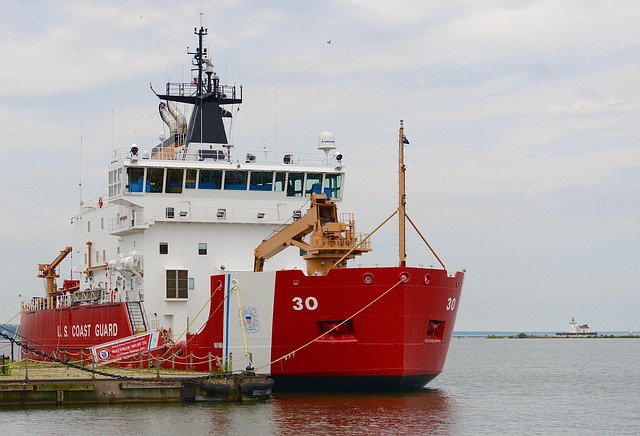
The United States Coast Guard is, at press time, affected by a partial government shutdown that began on February 14, 2026. This shutdown directly affects the Department of Homeland Security following a legislative deadlock regarding immigration oversight. It does not affect the Department of Defense, TRICARE, or the Department of Veterans Affairs.
While other military branches under the Department of Defense remain funded through September 2026, the Coast Guard, which is within the Department of Homeland Security and not the Department of Defense, is part of the current political stalemate.
>> Never miss benefits news and updates that are important to you. Sign up today to receive the MyMilitaryBenefits newsletter free to your inbox.
How the Coast Guard is Affected by the Partial Government Shutdown
As of February 17, 2026, the service prioritizes “life-saving” missions and national security, while it is meant to defer “non-essential” activities.
Approximately 90% of the workforce is classified as essential, meaning they must report for duty despite the lack of funding. This situation mirrors the 2018-2019 shutdown, creating renewed financial and operational strain for tens of thousands of service members and their families.
Political Deadlock and Legislative Future
The shutdown happened thanks to a dispute over oversight requirements in federal funding for immigration officers in the wake of tragic high-profile incidents in Minneapolis. While the House passed a bipartisan full-year funding bill earlier this year, Senate negotiations stalled, resulting in the current partial shutdown.
Some lawmakers have introduced the “Pay Our Troops Act of 2026,” which would guarantee Coast Guard pay during such shutdowns. However, this legislation has not yet been enacted into law.
>> Never miss benefits news and updates that are important to you. Sign up today to receive the MyMilitaryBenefits newsletter free to your inbox.
The Status of Personnel and Pay
Under the Government Employee Fair Treatment Act of 2019, all military and civilian personnel are guaranteed retroactive pay once the shutdown concludes, but this does not alleviate immediate financial pressure on Coast Guard households. Even in areas where BAH rates and other allowances are higher, Coast Guard members still feel the pinch,
The shutdown affects approximately 45,000 active-duty members, 7,000 reservists, and nearly 10,000 civilian employees. Civilian workers are divided into two categories: those deemed “excepted” must continue to work without pay, while “non-excepted” employees are placed on furlough.
These furloughs have an immediate impact on administrative support, hiring, and long-term project management.
Operational Constraints and Deferred Missions
While the Coast Guard continues to execute its primary missions, the funding lapse has, at least in theory, required it to conduct only those activities vital to national defense and the protection of life and property.
Missions that continue include:
- Search and Rescue
- National Defense
- Maritime Security
- Drug Interdiction
Routine patrols that are not linked to an immediate threat may be reduced to conserve resources. Commercial vessel inspections and merchant mariner credential processing may be paused.
Impact on Readiness
One of the most concerning long-term effects of the current shutdown is the suspension of non-essential maintenance and training. Vice Admiral Thomas Allan, the service’s Vice Commandant, has noted that even a short lapse in funding erodes readiness.
Maintenance for cutters, aircraft, and boats that is not deemed “emergency” may be deferred, creating a multimillion-dollar backlog of parts and repairs that could take months or even years to resolve.
Grounded aircraft and static cutters not only reduce the service’s current footprint but also accelerate the wear and tear on the remaining active fleet. Training programs for aircrews and boat crews are also being affected. Many specialized training courses and certification exercises are suspended during the funding lapse.
>> Never miss benefits news and updates that are important to you. Sign up today to receive the MyMilitaryBenefits newsletter free to your inbox.
About the author
Editor-in-Chief Joe Wallace is a 13-year veteran of the United States Air Force and a former reporter/editor for Air Force Television News and the Pentagon Channel. His freelance work includes contract work for Motorola, VALoans.com, and Credit Karma. He is co-founder of Dim Art House in Springfield, Illinois, and spends his non-writing time as an abstract painter, independent publisher, and occasional filmmaker.