Financial Planning For Your Next Deployment
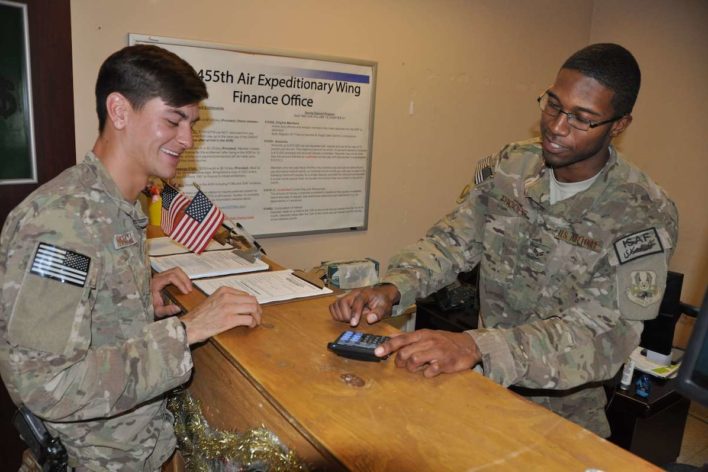
An overseas deployment rotation is a reality that most service member experience in their careers. However, over the last two decades, there has been an increased requirement for the United States military in areas around the world. In the past, most of this burden would fall on the shoulders of Active-Duty units; however, National Guard and Reserve units have also taken a large portion of those rotations, deploying on a more frequent basis.
Deploying? 3 Tips to Get Your Financial House In Order
Deployments mean change and possible stress for families. Everything changes when a Service Member deploys, regardless if it is their 1st or 5th deployment. Being away from the normalcy of daily life can change an individual, and one thing that is almost certain to change is their finances.
Basic Pay and Allowances Are Only A Part of the Picture
Basic pay and allowances are only a part of the military compensation picture. Many military members qualify for special pay and incentives that are part of the service’s recruitment and retention efforts. Some compensate members for assignment to hazardous or difficult duty conditions.
Both Active Duty and National Guard/Reserve units have full-time pay staff available to assist service members and their families when the deployment cycle is on the horizon; however, this does not completely prepare a service member or their family for the financial changes that will occur. The stories of Service members spending their entire deployment checks on items such as rims or sports cars with a 20% interest rate are a completely valid truth. To help prevent that, below is a checklist that can serve as a useful guide for Service members deploying, regardless of their experience level.
1. Verify Pay Before You Leave
This is probably the most crucial step of all. The service member must verify that they are getting paid properly prior to deployment rotation. This is a problem most commonly found in National Guard and Reserve units; however, it also affects Active Duty units.
All dependents and marital status information must be updated in the Defense Enrollment Eligibility Reporting System (DEERS) to ensure proper healthcare coverage. The dependent documents also need to be processed by the unit’s Personnel Services to ensure that the Service Member is receiving proper financial benefits for their families.
This is much easier to accomplish before leaving the Continental United States (CONUS), rather than dealing with a situation when you are overseas. Additional information can be found with the Service Member’s respective Unit Personnel or Pay Branch.
Service Members and their families need to educate themselves on the military pay they may be entitled to. To research pay by location, please visit the Defense Finance and Accounting Service (DFAS) website.
This is mission-dependent. Just because a unit gets deployed to an area does not mean that the Service Member will receive what is listed on the DFAS website. This could change depending on the actual physical location of the Service Member, rather than the unit.
An example of this would be if a unit deployed to the Kosovo region, but the Service Member is in Bosnia. There is a pay difference between the two areas, even if the same unit is represented in both. Additional information can be found with the Service Member’s respective Unit Personnel or Pay Branch.
2. Visit DoD DoD-provided Financial Planner
It is strongly recommended that the Service Member visit a Department of Defense (DOD)-approved financial planner. Managing money and legal affairs is part of mission readiness. Military OneSource provides strategies on:
- Consolidating and paying down debt
- Saving for retirement or college
- Creating a financial plan that will lead to financial security
They also provide a link to installation legal services that protect you and your family from mishaps.
Ensure all recurring bills or debts (i.e. mortgage and utilities) are addressed with the financial planner to ensure coverage.
A financial planner can also provide advice on programs such as the Savings Deposit Program, a savings account that earns the Service Member 10% interest if the deployment is in a combat zone. For more info, please visit the Savings Deposit Program page.
3. National Guard or Reservist Should Contact ESGR
If the Service Member is a National Guard or Reservist, ensure that they contact the Employer Support of the Guard and Reserve (ESGR) if needed.
ESGR develops and promotes supportive work environments for service members in the Reserve Components through outreach, recognition, and educational opportunities that increase awareness of applicable laws and resolve employer conflicts between the service members and their employers.
Ultimately, It’s Your Choice, But Take Advantage of All That’s Available to You
Undoubtedly, service members understand that it is their money and they are entitled to spend it as they deem appropriate. However, it is essential to note that the deployment lifestyle is only temporary. The extra monetary boost typically associated with rotations often leads to a “living in the moment” mentality that can rapidly come crashing down without proper planning.
Conversations with dependents and legal services are needed to ensure proper coverage is provided for recurring debts and future planning. Each branch of the military has legal services available to service members to address items such as powers of attorney, wills, and other documentation that concerns the execution of financial actions that could affect the service member.
Financial stress is a burden that many service members face, but by conducting proper financial planning and acquiring knowledge, it can be mitigated and allow them to prepare for life after deployment.
RELATED:
About the author
Julie Provost is a freelance writer, and blogger. She lives in Tennessee with her National Guard husband and three boys.