The Purple Heart
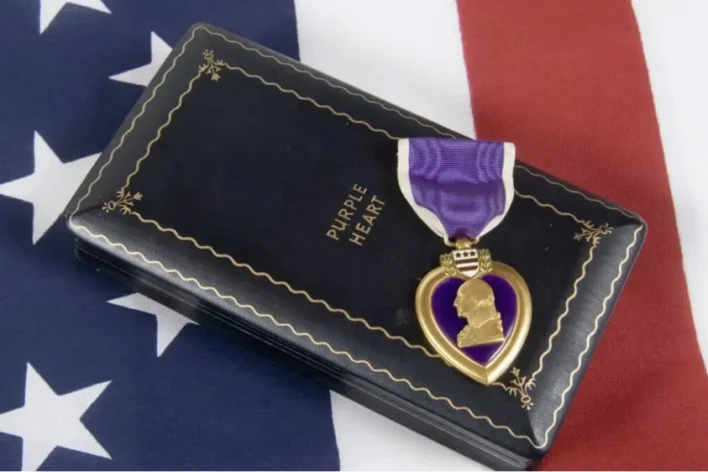
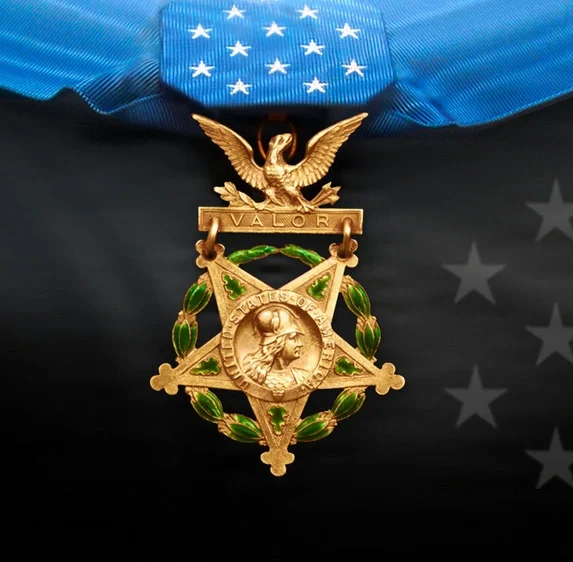
The Purple Heart is the oldest military decoration in the United States, honoring those wounded or killed in action. Unlike medals for valor, which may depend on the recommendation of a commander, the Purple Heart is awarded to any service member who meets the requirements of the award. The Purple Heart is similar to the Medal of Honor, in that during times of conflict, the Purple Heart becomes a bigger part of the military story, as do those who are awarded it.
Purple Heart History
General George Washington established the original award on August 7, 1782. He called it the Badge of Military Merit. At that time, the Continental Army did not have a standard system for honoring the service of enlisted soldiers. Washington wanted to recognize meritorious actions and gallantry among those in the lower ranks.
The original badge was a heart made of purple silk. Only three soldiers are known to have received it. These men were Sergeant Elijah Churchill, Sergeant William Brown, and Sergeant Daniel Bissell Jr. The award wasn’t used again after the Revolutionary War ended.
General Douglas MacArthur led the effort to revive the award in the early 1930s. He wanted to coincide the return of the decoration with the 200th anniversary of George Washington’s birth. On February 22, 1932, the War Department announced the creation of the modern Purple Heart, featuring a new design depicting a bust of Washington and his coat of arms.
In its early years, the revived Purple Heart was used for both meritorious service and combat injuries, but this changed during World War II. In 1942, the military created the Legion of Merit to recognize meritorious service. At that point, the Purple Heart was designated specifically for combat injuries. President John F. Kennedy expanded the rules in 1962.
>> Sign up to receive the Military and Veteran Discounts newsletter direct to your inbox. It’s FREE!
Purple Heart Exclusions
The military does not award the Purple Heart for injuries that do not involve the enemy. Self-inflicted wounds do not qualify unless they were accidental and occurred during combat. Currently, the military does not award the Purple Heart for Post-Traumatic Stress Disorder.
Purple Heart Eligibility
Eligibility is based on the circumstances of the injury. A service member must be wounded or killed while serving in combat with the U.S. Armed Forces. This criterion applies to members of the Army, Navy, Air Force, Marine Corps, Space Force, and Coast Guard.
What medical documentation is required?
A wound must be severe enough to require treatment by a medical officer. This treatment must be officially documented in the service member’s records. If a soldier is injured but does not seek medical attention from a military doctor, they may not qualify for the award. The documentation must show the injury was a direct result of enemy action.
What types of injuries qualify for the medal?
Qualifying injuries include those from bullets, shrapnel, or chemical agents used by an enemy. Injuries from friendly fire also qualify if the weapon was intended for the enemy. In recent years, the military has updated the rules to include traumatic brain injuries. If a blast from an enemy explosive causes a concussion or other brain trauma, the service member is eligible.
Purple Heart Benefits
The Department of Veterans Affairs gives high priority to those who have earned the Purple Heart. These veterans are placed in Priority Group 3. This status ensures they have faster access to medical appointments. Recipients are also exempt from paying copayments for medical care. They do not have to pay for outpatient medications related to their service-connected conditions.
How does the Purple Heart affect education benefits?
Service members who receive the medal after September 11, 2001, are automatically eligible for the maximum benefit of the Post 9/11 GI Bill. This is true even if they did not serve the full three years normally required for 100 percent eligibility.
This benefit covers the full cost of in-state tuition at public colleges. The award also provides a monthly housing allowance and money for books. Many states offer additional tuition waivers or scholarships specifically for combat wounded veterans at state universities.
Are there advantages in the job market?
The federal government provides a 10-point preference to Purple Heart recipients when they apply for civil service jobs. This gives them a better chance of being hired for positions at agencies such as the Department of Defense or the VA. While many veterans get a 5-point preference, the bigger 10-point boost is reserved for those with a service-connected disability or a Purple Heart.
What other perks are available at the state level?
Most states offer specialized license plates for Purple Heart recipients. In many cases, these plates are free or cost very little to register. Some states also offer exemptions from property taxes or vehicle taxes. Organizations like the Purple Heart Foundation provide grants to help veterans facing financial hardship.
>> Sign up to receive the Military and Veteran Discounts newsletter direct to your inbox. It’s FREE!
About the author
Editor-in-Chief Joe Wallace is a 13-year veteran of the United States Air Force and a former reporter/editor for Air Force Television News and the Pentagon Channel. His freelance work includes contract work for Motorola, VALoans.com, and Credit Karma. He is co-founder of Dim Art House in Springfield, Illinois, and spends his non-writing time as an abstract painter, independent publisher, and occasional filmmaker.