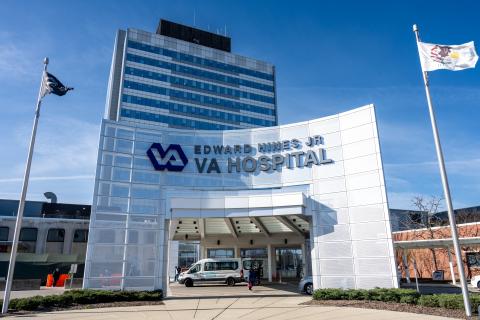
VA Submits $488 Billion 2027 Budget Proposal

UPDATE 5/19/2026: The House Appropriations Committee approved a $480 billion Defense Department/Department of Veterans Affairs spending package for fiscal year 2027. The bill, which some sources call “record spending,” now moves to the Senate. This is an ongoing story.
VA Submits $488 Billion 2027 Budget Proposal
The 2027 proposal includes, but is not limited to, $183 billion for discretionary spending, to fund medical care and department operations. Mandatory funding accounts for $305.5 billion of the total request. This portion of the budget is dedicated to disability compensation, pensions, and education benefits.
The VA has experienced a sharp rise in claims since the passage of the PACT Act in 2022. The number of veterans receiving monthly compensation has also increased, hence the request for more funds in this area.
The 2027 budget includes funds earmarked for improving aging medical facilities and for continuing the implementation of a unified electronic health record system. The department also plans to expand mental health services and suicide prevention initiatives, focusing on immediate access to crisis intervention and outreach to homeless veterans.
$488 Billion VA Budget Goes to Congress
This budget request has been sent to Congress for review, but the overall size of the request will likely be a subject of debate. The final proposal amount for 2027 will likely help determine the department’s ability to maintain its current services to the veteran community.
The fiscal year 2027 budget proposal for the Department of Veterans Affairs includes funds for direct medical care and infrastructure as well as money intended for restructuring administrative offices. The budget also increases discretionary spending by 9 percent over the previous year to manage the expanded requirements of the PACT Act.
What’s in the VA 2027 Budget Ask
- Discretionary Budget – The request totals 144.9 billion, which is an 11.5 billion increase from the 2026 enacted level.
- Total Medical Care – A total of 175.5 billion is allocated for medical care, combining 123.4 billion in discretionary funds with 52.1 billion in mandatory funding from the Toxic Exposures Fund.
- Homelessness Programs – The budget provides 3.8 billion for the Homeless Programs Office to supply healthcare, housing assistance, and employment services.
- National Center for Warrior Independence – 500 million is earmarked for construction at the West Los Angeles medical center to house up to 6,000 veterans by 2028.
- Electronic Health Record Modernization – The proposal requests 4.2 billion to continue the transition to an interoperable health record system.
- Indianapolis Replacement – 1.98 billion is requested to replace the existing medical center with a new 840,000-square-foot facility.
- Manchester Outpatient Center – 1.3 billion for the design and construction of a new medical center in New Hampshire to replace a facility built in 1948.
- San Antonio Expansion – 30 million to initiate land acquisition for a new medical center to serve the growing veteran population in Texas.
- National Cemeteries – 449.1 million to add 90,000 gravesites in Michigan, Minnesota, Ohio, and Pennsylvania.
- Automation and AI – 130 million for technology to modernize claims processing and reduce error rates.
- Information Technology – 6.3 billion for cybersecurity and digital platforms for mental health and community care.
- Mental Health Investment – 644 million is allocated to expedite access to residential rehabilitation for mental health and substance use disorders.
- Administrative Restructuring – The budget establishes the Warrior Independence and Self-Sufficiency Ethos Office and the VHA Restructure for Impact and Sustainability Effort to eliminate duplicative bureaucracy.
This VA funding is not approved at press time; it is only in the proposal stage. This is a developing story.
About the author
Editor-in-Chief Joe Wallace is a 13-year veteran of the United States Air Force and a former reporter/editor for Air Force Television News and the Pentagon Channel. His freelance work includes contract work for Motorola, VALoans.com, and Credit Karma. He is co-founder of Dim Art House in Springfield, Illinois, and spends his non-writing time as an abstract painter, independent publisher, and occasional filmmaker.