VA Tests GLP-1 Drugs for Alcohol Use Disorder
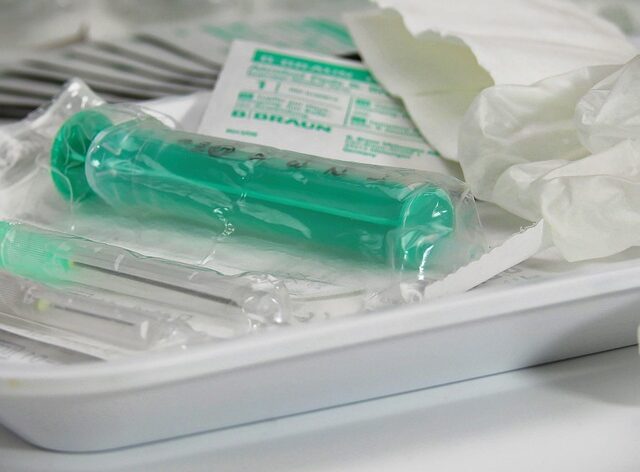
The Department of Veterans Affairs announced a nationwide clinical trial to evaluate whether GLP-1 drugs commonly prescribed for type 2 diabetes and weight management can treat alcohol use disorder.
Studies indicate that approximately 400,000 veterans live with diagnosed alcohol use disorder, a condition affecting approximately 11% of adults in the United States.
Using GLP-1 Weight Management Drugs for Alcohol Use Disorder
Taking GLP-1 medications may in some cases lower rates of substance use disorders than those on other diabetes medications. That’s part of the focus of the VA study, and among those with substance use disorder, GLP-1 use may correlate with fewer emergency department visits.
The Cessation or Reduction of Alcohol Consumption in Veterans trial was designed to work with more than 600 veterans with alcohol use disorder. Over 24 weeks, participants receive injections of semaglutide or placebo, followed by a monitoring period, with researchers tracking any changes in drinking patterns to evaluate the drug’s usefulness in fighting alcohol use disorder.
Semaglutide influences brain pathways that govern reward perception and cravings, and researchers want to test whether GLP1 drugs can reduce alcohol intake.
GLP-1 Caveats
Just because the VA is experimenting with GLP-1 does not mean service members can begin using it outside the clinical trial. The Department of Veterans Affairs cautions veterans against self-medicating with unprescribed GLP-1. A prescription is required.
GLP-1 medications are covered through TRICARE for type 2 diabetes and chronic weight management; eligibility standards apply. TRICARE does not approve these drugs automatically; approval depends on your health plan, clinical diagnosis, and duty status.
Who Can Use GLP-1 Medications Under TRICARE
Coverage through TRICARE falls into these categories:
Type 2 Diabetes Management
Active-duty service members, dependents, and retirees enrolled in TRICARE Prime, TRICARE Select, and TRICARE For Life can receive coverage for diabetes medications. These brand names include Ozempic, Mounjaro, Trulicity, and Victoza. A prior authorization from a healthcare provider confirming a diagnosis of type 2 diabetes is mandatory.
Chronic Weight Management
Active duty service members and beneficiaries enrolled in TRICARE Prime and TRICARE Select can access anti-obesity medications such as Wegovy and Zepbound. To qualify under TRICARE rules, patients must meet medical thresholds, including a body mass index (BMI) of 30 or higher.
- A BMI of 27 or higher with a weight-related condition, such as hypertension, type 2 diabetes, or obstructive sleep apnea.
- Six months of failed lifestyle interventions, including structured diet and exercise programs.
- A trial of oral weight-loss medications (such as Qsymia or Contrave) or a documented medical contraindication preventing their use.
>> Never miss benefits news and updates that are important to you. Sign up today to receive the MyMilitaryBenefits newsletter free to your inbox.
Who Cannot Use GLP-1s Under TRICARE
There are exclusions. For example, TRICARE no longer covers weight-loss medications for non-Prime and non-Select beneficiaries, including TRICARE For Life.
- TRICARE For Life still covers diabetes management drugs like Ozempic and Mounjaro under medically necessary circumstances. Beneficiaries seeking these drugs purely for weight loss must pay out-of-pocket.
- TRICARE prohibits coverage of diabetes-approved drugs for off-label weight loss, so if you do not have diabetes but you want coverage for Ozempic or Mounjaro solely for weight reduction, prior authorization is denied.
- The Department of Defense and Operation Supplement Safety warn service members against using unapproved compounded GLP-1 drugs obtained from off-base sources.
- Active duty service members face additional requirements beyond standard insurance authorizations. Taking a prescription without military medical clearance can jeopardize a service member’s career.
Medical Provider Supervision
Active duty personnel must obtain their prescriptions through their military treatment facility or have an outside civilian network referral authorized by their Primary Care Manager. Failing to disclose prescription medication use before a deployment can lead to administrative or disciplinary action.
TRICARE rules say weight-loss GLP-1 prescriptions must be filled through TRICARE network retail pharmacies or TRICARE Home Delivery, not base pharmacies. Initial prior authorizations typically run for six months.
Service members interested in GLP-1 medications should schedule a consultation with their primary care provider.
Locations for the VA GLP-1 Study
The study will be conducted at the following VA medical centers:
- Ann Arbor VA Health Care System, Ann Arbor, Michigan
- Charles George VA Medical Center, Asheville, North Carolina
- Durham VA Medical Center, Durham, North Carolina
- Edward Hines Jr. VA Hospital, Hines, Illinois
- George E. Wahlen VA Medical Center, Salt Lake City
- Joseph Maxwell Cleland Atlanta VA Medical Center, Decatur, Georgia
- Louis Stokes Cleveland VA Medical Center, Cleveland
- Michael E. DeBakey VA Medical Center, Houston
- Minneapolis VA Medical Center, Minneapolis
- Orlando VA Medical Center, Orlando, Florida
- Palo Alto VA Medical Center, Palo Alto, California
- Philadelphia VA Healthcare System, Philadelphia
- Portland VA Medical Center, Portland, Oregon
- Tibor Rubin VA Medical Center, Long Beach, California
- VA Greater Los Angeles Health Care System, Los Angeles
- VA North Texas Health Care System, Dallas
- VA Puget Sound Health Care System, Seattle
- William S. Middleton Memorial Veterans Hospital, Madison, Wisconsin
>> Never miss benefits news and updates that are important to you. Sign up today to receive the MyMilitaryBenefits newsletter free to your inbox.
About the author
Editor-in-Chief Joe Wallace is a 13-year veteran of the United States Air Force and a former reporter/editor for Air Force Television News and the Pentagon Channel. His freelance work includes contract work for Motorola, VALoans.com, and Credit Karma. He is co-founder of Dim Art House in Springfield, Illinois, and spends his non-writing time as an abstract painter, independent publisher, and occasional filmmaker.