Department of Veterans Affairs Resources for LGBTQ+ Veterans

Update August 24 2026: The Department of Veterans Affairs has removed most of the official pages referencing its former LGBTQ+ policies. In spite of a promise from VA Secretary Doug Collins to “put veterans first” at the VA, in 2025 NPR reported, “the VA says it’s rescinding Directive 1341, which contains detailed guidance on the kinds of care transgender veterans can receive at VA facilities.”
Those changes were not the last. If you look at the VA official site for guidance on LGBTQ+ issues, you will find either broken links or no resources at all, save for a few URLS pointing to articles about local VA facility options the VA seems to have forgotten to eliminate. If you have concerns about these changes, contact your state senator as soon as possible to lodge a complaint.
What follows is preserved here for archival purposes.
Department of Veterans Affairs Resources for LGBTQ+ Veterans
What does the Department of Veterans Affairs offer to veterans who identify as members of the LGBTQ+ community? LGBTQ+ refers in this context to a large group of people who include but are not limited to veterans who identify as lesbian, gay, bisexual, transgender, and/or queer.
The VA official site adds that the plus sign, “+”, acknowledges “identities beyond LGBTQ, including but not limited to questioning, pansexual, asexual, agender, gender diverse, nonbinary, gender-neutral, and other identities.”
This community has long struggled to be seen and recognized. There is an old adage amongst a certain generation of military members; that the military is essentially a microcosm of American society. LGBTQ+ Americans are part of that society and as such deserve the same rights and responsibilities associated with military service as any other American.
To this end, the Department of Veterans Affairs official site offers a formal welcome for this community, formerly marginalized by “gay ban” recruitment policies and the Don’t Ask, Don’t Tell era. The VA welcome is all the more significant in light of the more recent ban (and repeal of it) on certain transgender applicants from 2017 to early 2021.
VA Resources For LGBTQ+ Veterans
The Department of Veterans Affairs offers an LGBTQ+ Veteran Care Coordinator “at every facility”, and offers a resource locator tool to help you find the nearest VA facility to you. The VA offers the same options for all vets including LGBTQ+ veterans for suicide prevention, substance abuse treatment, tobacco cessation, help for intimate partner violence, and military sexual trauma issues. Other options include, but aren’t limited to:
- Infertility care
- Heart health
- Cancer screening
- Virtual mental health care options
When you make a claim for VA medical benefits or compensation for service-connected medical issues, you may be asked about your identity or other health-related issues in the context of what you may need in terms of support.
If you need to have a conversation with a VA representative about your identity, your medical needs as related specifically to your identity, or other issues, you can do so privately and with the help of a VA coordinator specifically assigned to you at your request. It’s a good idea to discuss any such needs as early as possible in your VA application process to ensure you get the help, care, or information you need.
Contact the Department of Veterans Affairs directly for information about these options. You can call their main number at 1-800-827-1000.
Gender Transitioning And The VA
Past rules prevented the Department of Veterans Affairs from providing gender-affirming care, but in 2021 it began a process to eliminate that restriction.
According to the VA, veterans are at press time offered “all medically necessary gender-affirming care to transgender Veterans with the exception of gender-affirming surgical interventions”. This lack of surgical support is due to how the VA medical benefits package was previously structured.
The VA acknowledges in writing, “Gender-affirming procedures have been proven effective at mitigating serious health conditions” including dysphoria, substance abuse, and more. The VA is actively working to end the exclusion for surgical support.
The VA’s official position on this issue seems to acknowledge that veterans who seek such procedures will eventually receive the treatment they seek. VA’s role in this process? Revising the medical benefits package “would enable a safe, coordinated continuum of care that is Veteran-centric and consistent with VA’s values of equity and respect for all Veterans.”
And the term “all veterans” is key to understanding VA policy.
Getting Transition-Related Care At The VA
The first step to accessing transition-related care and resources at the VA was, when the care was offered, to enroll in the VA medical system. Have you started or do you need to start a VA claims process for service-connected medical issues? If so you’re already well on your way. But if you have not, you can apply online by filling out VA form 10-10EZ. You can apply in person at any VA healthcare facility or VA benefits office.
Veterans Who Need to Change Their Legal Name With The VA
Veterans who transition and need to change their legal name to reflect their identity have options for doing so in the VA system. The procedures below describe how to change a name in the VA records system and presume the applicant has already been through the process of having their name legally changed on their photo IDs and other documents.
To change your legal name in the VA medical records system, start by making an appointment with a VA facility Privacy Officer who can get you the paperwork needed to begin. Getting started requires at least one current, unexpired document showing your legally changed name:
- State-Issued Driver’s License with photo
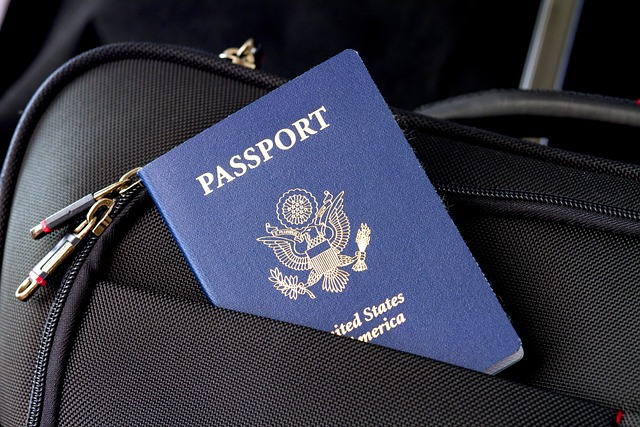
- Passport with photo
- Federal, State, or Local Government-issued photo ID (must include your date of birth)
- Social Security Card (must be accompanied by a current photo ID)
- Court Order for a Name Change (Must be accompanied by an unexpired government-issued photo ID that includes the old or new name)
If you need care, advice, or information about any of these options for LGBTQ+ veterans, contact the VA directly. In spite of previous eras where being LGBTQ+ was stigmatized and actively penalized in some cases, the Department of Veterans Affairs has doubled down on its commitment to serving ALL veterans.
The needs of this important segment of the veteran community are just as important as the needs of other demographics; those who serve come from all backgrounds and all walks of life.
Military Discharge Upgrades For LGBTQ+ Veterans
If you were given a military discharge other than Honorable during the Don’t Ask, Don’t Tell era, you may qualify for a military discharge upgrade. These upgrades are not performed by the Department of Veterans Affairs, you must approach your branch of service and formally request a military discharge review. See the DoD official site for steps on how to get started.
About the author
Editor-in-Chief Joe Wallace is a 13-year veteran of the United States Air Force and a former reporter/editor for Air Force Television News and the Pentagon Channel. His freelance work includes contract work for Motorola, VALoans.com, and Credit Karma. He is co-founder of Dim Art House in Springfield, Illinois, and spends his non-writing time as an abstract painter, independent publisher, and occasional filmmaker.